
Business interruption insurance California compensates business owners for lost revenue and ongoing expenses if a covered peril, such as fire or wind, causes a direct physical loss that halts operations. This coverage typically includes payroll, rent, and relocation costs while the property is being repaired or replaced.
For a California business owner, the physical damage from a wildfire or a sudden pipe burst is often only the beginning of a financial crisis. While property repairs are underway, the true threat lies in the complete cessation of revenue. This situation can quickly drain reserves and threaten the long term viability of your operations; making it essential to understand the mechanics of income protection. This article provides a comprehensive look at business interruption insurance specifically for the Golden State. We will explore the critical direct physical loss rule, civil authority coverage for wildfire zones, and the nuances of contingent business interruption. Additionally, we will explain how to accurately calculate your specific coverage needs and identify common exclusions that could leave your business vulnerable during a forced closure. Our goal is to provide the practical expertise you need to safeguard your cash flow.
Understanding Business Interruption Insurance for California Small Businesses
Business interruption insurance serves as a vital financial safeguard for companies forced to halt operations due to unforeseen disasters. In essence, it functions as income replacement, covering the revenue your business would have generated if a covered peril had not occurred. For entrepreneurs across the state, securing business interruption insurance California is particularly critical due to unique regional risks such as wildfires and seasonal windstorms. While JC Global Insurance Services operates from our office in La Palma, we understand that these threats impact everyone from local retail shops in Orange County to manufacturers in the Bay Area.
It is important to distinguish this coverage from General Liability insurance. While General Liability protects against third party claims involving bodily injury or property damage, business interruption insurance focuses inward. It protects your own business's wallet, ensuring that fixed costs like payroll and rent are met even when your doors are locked. Many clients find this coverage most accessible when bundled into a Business Owners Policy (BOP), which packages property and liability protections into a single contract. By securing tailored commercial insurance solutions that include this protection, you safeguard your cash flow against the physical realities of operating in a disaster prone state. If you have questions about how these perils apply to your specific industry, you can contact our La Palma office for expert, localized guidance.
The Direct Physical Loss Rule: Why Most Claims Are Denied

To understand how business interruption insurance California functions, you must first grasp the "Direct Physical Loss" rule. This is the primary hurdle for many policyholders and the leading reason for claim denials across the state. In the language of an insurance contract, coverage is typically triggered only when the insured property sustains actual, tangible damage from a covered peril. Think of this as a physical alteration requirement. If a fire charring your walls or a burst pipe flooding your showroom forces you to close, the physical damage to the structure serves as the necessary trigger for your benefits.
Many business owners in La Palma and surrounding areas encountered the complexities of this rule during the pandemic. Most standard policies do not view "economic loss" as a substitute for physical damage. Even if the government orders a closure or customers stop visiting, the absence of a physical change to the property often leads to a denial. While a loss of income is financially devastating, the contract generally stipulates that unless the building itself is physically compromised, the policy does not activate. This specific interpretation was the basis for the mass denial of COVID-19 claims, as the presence of a virus was not considered permanent physical damage to the property in the eyes of most carriers.
Transparency regarding these limitations is essential when selecting commercial insurance solutions. When we review policies for our clients, we differentiate between the common gross earnings and profits forms mentioned by the California Department of Insurance. Each has nuances in how it calculates what is owed, but both remain tethered to the physical loss requirement. Understanding this boundary helps you prepare for real-world scenarios, such as wildfire smoke damage that physically permeates a building, versus a simple drop in foot traffic due to local air quality. If you are uncertain how your current policy handles these triggers, you can contact our La Palma office to review your specific language and ensure your expectations align with your actual coverage.
What Does Business Interruption Insurance Cover in California?
Once a direct physical loss triggers your policy, the focus shifts to maintaining your financial stability. Business interruption insurance California is designed to cover the specific expenses that do not stop just because your revenue has. This coverage provides the liquidity necessary to prevent a temporary closure from becoming a permanent failure.
Commonly covered items include:
Net Income: This is the projected profit your business would have earned had the disaster not occurred. Carriers typically review your historical financial statements to determine this amount.
Operating Expenses: Fixed costs like electricity, heating, water, and rent must often be paid regardless of whether your doors are open.
Relocation Costs: If you must move to a temporary storefront or office to continue serving clients while your primary location is repaired, the policy can cover the costs associated with the move and the temporary lease.
Taxes: Businesses remain responsible for local, state, and federal taxes even during a shutdown. Coverage helps ensure you stay current with your tax obligations.
Loan Payments: If you have existing business loans or equipment financing, these payments are typically covered to ensure you do not default while operations are paused.
For specific industries, such as restaurants in La Palma or Cerritos, coverage may extend to the loss of perishable food items if the spoilage resulted from a covered peril like a fire. These protections are often integrated into commercial insurance solutions tailored to the specific risks of your sector. Because calculating these figures requires precision, many clients find it helpful to contact our La Palma office to review their previous 12 months of revenue. Ensuring these items are bundled correctly, often within a Business Owners Policy (BOP), provides a comprehensive safety net for your operations.
California Wildfires and Civil Authority Coverage
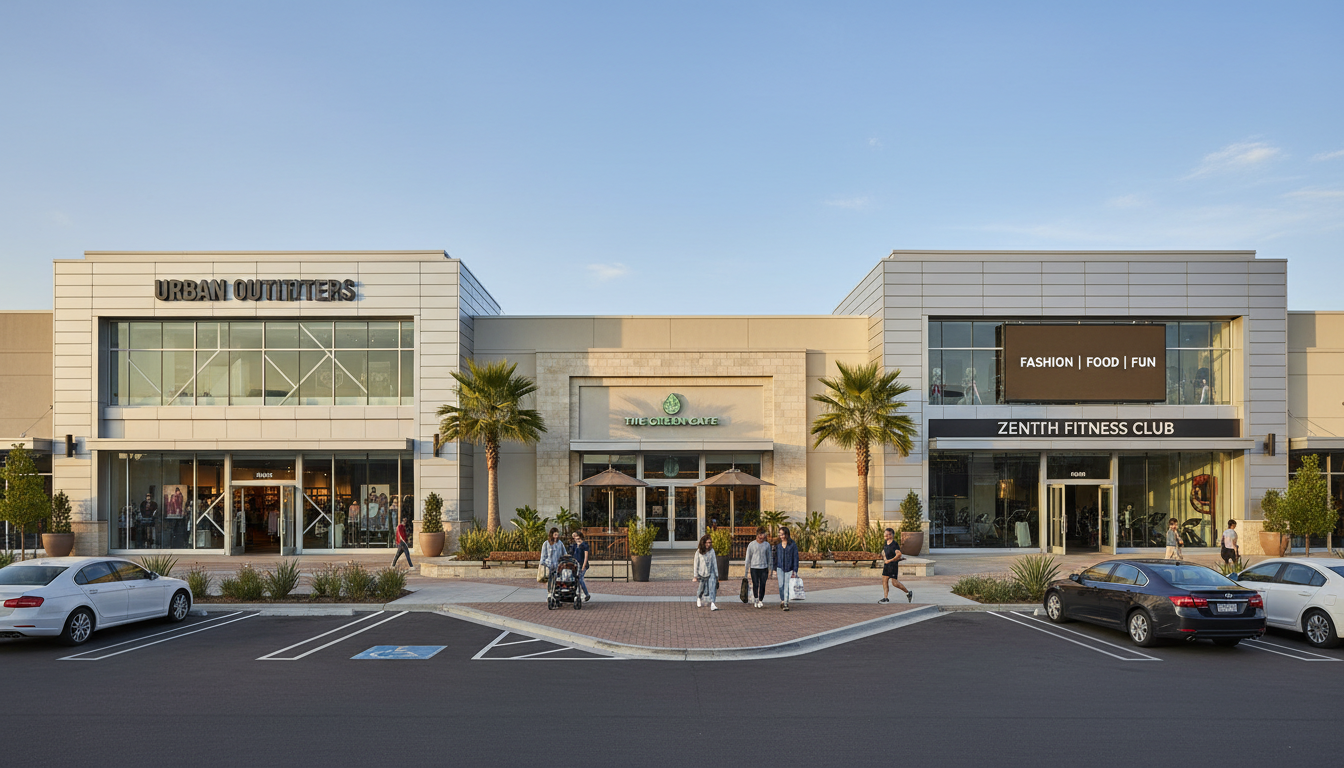
For many business owners in Southern California, the threat of wildfires is a seasonal reality that extends beyond the risk of flames touching their specific structure. This is where Civil Authority coverage becomes an essential component of business interruption insurance California. This specific provision activates when a government entity, such as a local fire department or state agency, prohibits access to your business premises due to physical damage at a nearby location or an immediate threat in the surrounding area.
Consider a scenario where a wildfire breaks out in the foothills near La Palma or Cerritos. Even if your storefront remains completely untouched by fire or smoke, local authorities might close major thoroughfares or issue mandatory evacuation orders that encompass your block. If customers and employees cannot physically reach your location, your revenue stops. Unlike standard business interruption that requires direct damage to your own property, Civil Authority coverage applies because of the damage to neighboring properties and the subsequent government action taken to protect the public.
It is vital to account for the waiting periods associated with these claims. Most policies include a deductible in the form of time, frequently requiring a 72 hour period of restricted access before benefits begin to accrue. Understanding these nuances is critical when selecting commercial insurance solutions for your enterprise. If you need assistance determining if your current Business Owners Policy (BOP) includes this specific wildfire protection, you can contact our La Palma office to speak with a licensed agent who understands these local risks.
What is Contingent Business Interruption (CBI) Insurance?
Contingent Business Interruption (CBI) insurance provides a deeper layer of protection by covering financial losses resulting from damage at a third-party location. While standard business interruption insurance California focuses on your own premises, CBI addresses the interconnected nature of modern supply chains. This coverage is triggered when a business depends on a specific vendor for raw materials or a key customer for the bulk of its revenue, and that partner suffers a covered physical loss.
For example, a boutique manufacturer in La Palma might rely on a specialized component produced only by a single factory in Northern California. If that supplier's facility is destroyed by a wildfire, the La Palma manufacturer cannot finish its products, leading to a total halt in sales. Because the physical damage occurred at the supplier's site rather than the policyholder's, standard coverage would typically not apply. CBI bridges this gap, replacing the lost income caused by the supplier’s inability to deliver. This high-level coverage is an essential part of robust commercial insurance solutions for businesses with vulnerable supply lines. You can contact our La Palma office to discuss how adding CBI to your policy can fortify your business against external disruptions.
How Much Does Business Interruption Insurance Cost in California?

The financial investment required for business interruption insurance California depends largely on how the coverage is structured. This protection is rarely a standalone purchase; instead, it is typically bundled into a Business Owners Policy (BOP) or a Commercial Property policy. This packaging ensures that your income replacement limits are directly tied to the physical property being insured.
Several specific variables dictate the final premium for your business:
Industry Risk: A high-volume manufacturing plant or a restaurant with specialized equipment carries a different risk profile than a standard professional office.
Location: Businesses situated near high-risk wildfire zones or in areas prone to seasonal wind events often see higher rates due to the increased probability of property damage or civil authority evacuations.
Annual Revenue: Because the policy is designed to replace lost income, your total gross earnings and projected profits serve as the baseline for the coverage limits.
While a small retail shop in Orange County might see the business interruption portion of their premium range from $500 to $1,500 annually as part of a package, every enterprise is different. To obtain a precise figure, it is necessary to contact our La Palma office for a quote. As an independent agency, we compare commercial insurance solutions from multiple top-rated carriers to find the most cost-effective balance between price and protection for your specific operation.
How to Calculate Your Coverage Needs
Determining the appropriate limit for business interruption insurance California requires a precise look at your financial history and projected growth. The goal is to calculate the actual loss sustained during a period of restoration. Start by gathering your profit and loss statements from the previous 12 months to establish a baseline for your gross earnings. This historical data provides the most reliable evidence for what your revenue would have been had the disaster not occurred.
To find your specific coverage need, subtract expenses that cease when your operations stop. These non-continuing expenses typically include raw materials, packaging, and shipping costs. You must ensure the final policy limit is high enough to cover expenses that persist even during a total shutdown, such as rent, loan obligations, and key employee payroll. If your business is seasonal, like a retail shop in La Palma preparing for holiday surges, adjust your projections to account for those peak revenue periods rather than just using a monthly average.
Underestimating these figures can lead to a co-insurance penalty, which may significantly reduce your claim payout. Because these financial calculations involve complex accounting terms, our team is available to help you review your ledgers. If you prefer to discuss these details in Korean, our bilingual agents can walk you through the specifics to ensure no detail is overlooked. To begin this assessment, you can contact our La Palma office to align your policy limits with your true financial exposure through tailored commercial insurance solutions.
Common Exclusions and Limitations to Watch For
While identifying what is covered is essential for recovery, recognizing what falls outside the scope of business interruption insurance California is equally vital for robust risk management. Policyholders often assume that any event causing a revenue drop is claimable, but insurance contracts contain specific, nonnegotiable exclusions. For instance, most standard policies explicitly exclude losses caused by communicable diseases or pandemics. As established by the California Department of Insurance, viral outbreaks generally do not constitute the direct physical loss required to trigger a standard income replacement claim.
Other common limitations involve utilities and internal machinery. A standard policy typically will not pay for income lost during an ordinary power outage unless the outage directly resulted from physical damage to the utility provider's property by a covered peril, such as a fire at a substation. Similarly, if a commercial oven or server rack fails due to mechanical internal issues, business interruption will not apply. This specific scenario requires commercial insurance solutions like Equipment Breakdown coverage to be addressed properly. These nuances highlight why a Business Owners Policy (BOP) must be reviewed with an expert eye. To ensure you are not blindsided by these policy gaps, you can contact our La Palma office to discuss specific endorsements that can strengthen your defense against these common exclusions.
Understanding the nuances of the direct loss rule is essential for protecting your revenue after an unexpected disaster. While business interruption insurance offers a vital safety net, navigating specific policy language and California regulations can be difficult on your own. If you want expert help securing your future, you can read more about JC Global Insurance Services and our commitment to local business owners. We are here to simplify the process and provide the clarity you need to move forward with confidence.